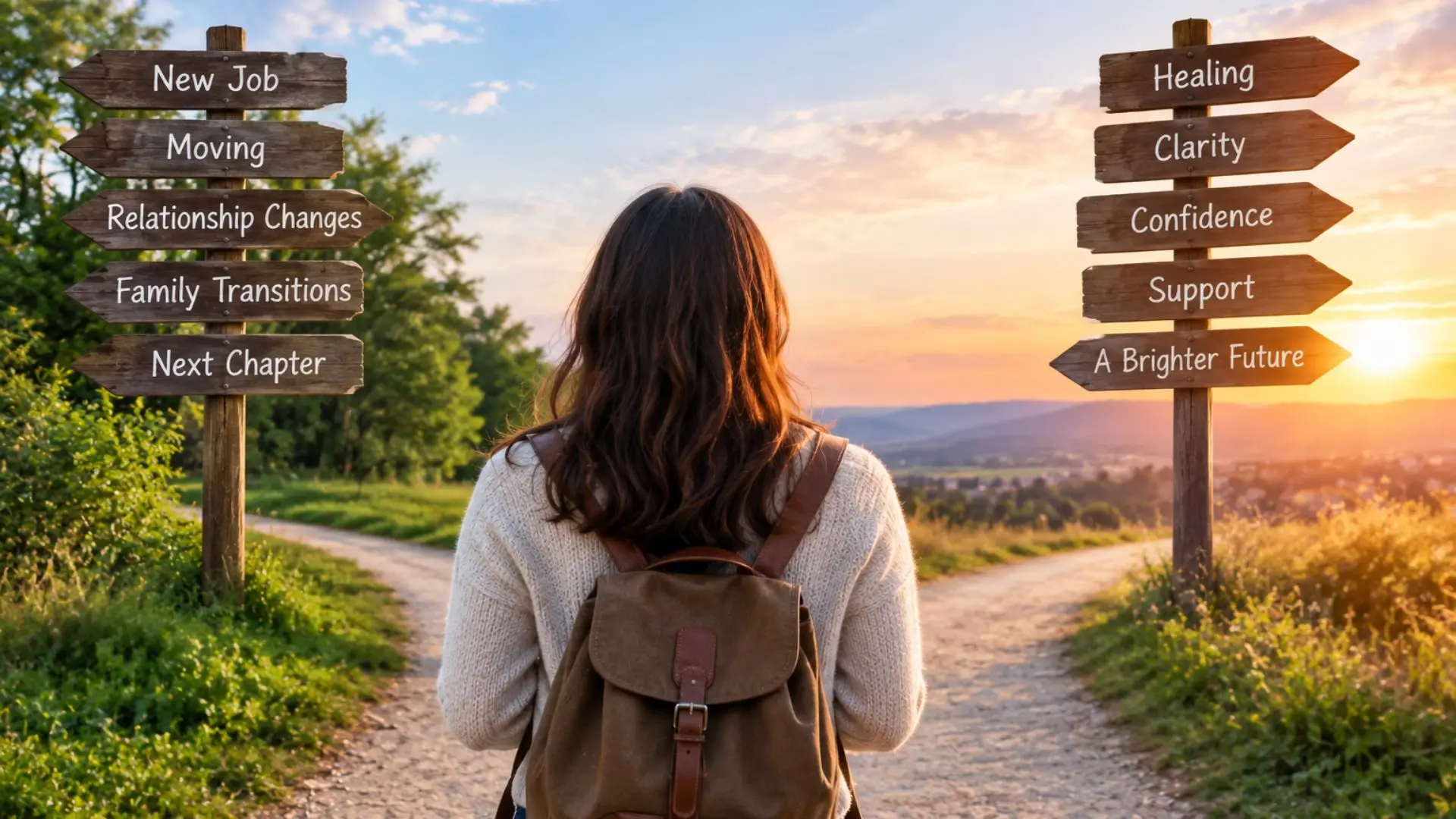
Life in North Phoenix moves fast, and so do the pressures that come with it. Work stress, family responsibilities, grief, and unexpected life transitions can leave even the strongest among us feeling overwhelmed. Building healthy coping skills with counseling gives you practical, faith-centered tools to face these challenges with resilience instead of dread.
At Christian Counseling North Phoenix, we walk alongside individuals, couples, families, and students who want more than a quick fix. We help people develop lasting habits of mind and heart that are grounded in both proven therapeutic methods and biblical truth.
In this article, we’ll explain what healthy coping skills actually are, why so many people struggle to build them alone, and how Christian counseling can guide you toward real, sustainable change.
What Are Healthy Coping Skills?
Healthy coping skills are the intentional strategies you use to manage stress, difficult emotions, and life’s setbacks without causing harm to yourself or your relationships. They stand in contrast to unhealthy coping mechanisms like avoidance, substance use, isolation, or emotional outbursts.
In short, healthy coping skills help you:
- Respond to stress rather than react impulsively
- Process painful emotions instead of suppressing them
- Maintain stable relationships during conflict
- Recover from setbacks with hope and clarity
Coping skills aren’t one-size-fits-all. What works for a grieving parent may look different from what helps a stressed college student or a couple navigating conflict. That’s why building healthy coping skills with counseling is so effective — it’s a personalized process guided by someone trained to help you find what actually works for your life.
Why Building Healthy Coping Skills With Counseling Works So Well
Many people try to “tough it out” or figure things out on their own. While willpower matters, it rarely addresses the root causes of stress, anxiety, or emotional pain. Counseling offers something different: a structured, supportive space to understand why you feel the way you do and how to respond in healthier ways.
A Safe, Non-Judgmental Environment
Counseling gives you permission to be honest about your struggles without fear of judgment. For many in our community, this is the first time they’ve felt safe enough to speak openly about anxiety, grief, or relational pain.
Faith-Integrated Guidance
Christian counseling doesn’t ask you to set your faith aside to get help. Instead, it weaves biblical wisdom, prayer, and spiritual growth into evidence-based therapeutic techniques, helping you heal in a way that honors your values.
Personalized, Practical Tools
A counselor doesn’t just listen — they equip you. Sessions are designed to give you specific, actionable strategies you can practice between appointments and carry with you long after counseling ends.
Common Life Challenges That Benefit From Better Coping Skills
Building healthy coping skills with counseling can support you through a wide range of life circumstances, including:
- Anxiety and chronic stress — Learning to calm the nervous system and reframe anxious thoughts.
- Depression — Developing routines and mindset shifts that restore hope and motivation.
- Grief and loss — Processing pain in healthy stages rather than suppressing it.
- Trauma — Building a sense of safety and control after difficult experiences.
- Relationship conflict — Improving communication and emotional regulation as a couple or family.
- Major life transitions — Adjusting to new jobs, moves, marriage, parenthood, or empty-nest seasons.
If any of these sound familiar, you’re not alone — and you don’t have to navigate them without support.
Practical Coping Strategies Counseling Can Help You Build
While every counseling journey is personalized, here are examples of coping skills commonly developed in sessions:
1. Cognitive Reframing
Learning to identify unhelpful thought patterns and replace them with balanced, truthful perspectives — often paired with scripture that speaks directly to fear, worry, or shame.
2. Mindful Breathing and Grounding
Simple techniques that calm the body’s stress response in the moment, helping you think clearly instead of reacting from panic or anger.
3. Healthy Boundaries
Learning to say no, protect your time, and communicate needs clearly — a skill that strengthens both mental health and relationships.
4. Prayer and Reflection Practices
Structured, consistent spiritual habits that provide comfort, perspective, and connection during hard seasons.
5. Emotional Processing
Instead of avoiding difficult feelings, counseling teaches you how to name, understand, and work through them in a healthy way.

Step-by-Step: How the Counseling Process Works
- Initial Consultation — Share your story and goals in a confidential setting.
- Personalized Plan — Your counselor identifies patterns and designs a plan tailored to your needs.
- Skill-Building Sessions — Practice coping techniques with guidance and feedback.
- Real-Life Application — Apply new skills to daily stressors, relationships, and challenges.
- Ongoing Growth — Continue refining your coping strategies as life changes.
Frequently Asked Questions
What does it mean to build healthy coping skills with counseling?
It means working with a trained counselor to replace unhelpful reactions — like avoidance, anger, or isolation — with intentional, healthy strategies for managing stress, emotions, and relationships.
How long does it take to develop healthy coping skills?
Every person is different, but many clients begin noticing meaningful change within a few weeks of consistent sessions. Lasting change typically develops over a few months of practice and support.
Is Christian counseling different from traditional therapy?
Yes. Christian counseling integrates biblical principles, prayer, and faith-based perspectives alongside proven therapeutic methods, offering healing that addresses both emotional and spiritual well-being.
Can couples and families build coping skills together in counseling?
Absolutely. Many of our sessions focus specifically on helping couples and families communicate better, resolve conflict, and support one another through stress using shared, healthy coping strategies.
Do I need to already be in crisis to benefit from counseling?
Not at all. Many people seek counseling proactively to build resilience and strengthen their emotional and relational health before a crisis occurs.
Why Choose Christian Counseling North Phoenix
Building healthy coping skills with counseling is most effective when you work with someone who understands both the clinical and spiritual sides of healing. Here’s why families throughout North Phoenix trust us:
- Faith-centered, professional care — Our counselors blend clinical expertise with biblical wisdom.
- Experience across life’s toughest seasons — We support individuals, couples, families, and students facing anxiety, grief, trauma, and transition.
- A safe, welcoming space — Every session is confidential, compassionate, and free of judgment.
- Personalized approach — Your plan is built around your story, values, and goals — not a generic template.
- Proven results — We combine evidence-based methods with spiritual growth for lasting, real-life change.
Conclusion
Building healthy coping skills with counseling isn’t about quick fixes — it’s about lasting transformation. Whether you’re facing anxiety, grief, relationship struggles, or simply want to grow stronger in how you handle life’s pressures, counseling offers a proven, faith-centered path forward.
You don’t have to face these challenges alone, and you don’t have to figure it out through trial and error. With the right guidance, you can build coping skills that bring peace, clarity, and hope back into your daily life.
Ready to Start Building Healthy Coping Skills With Counseling?
If you’re ready to move from surviving to thriving, we’re here to help. Contact Christian Counseling North Phoenix today to schedule your first session and take the first step toward lasting emotional and spiritual healing. Reach out now — your path to healthier coping starts with a single conversation.